Introduction to Commercial HVAC Maintenance for Facilities Managers
Facilities managers in the United Kingdom hold a complex range of responsibilities that ensure the smooth operation of commercial properties. At the heart of these duties lies the oversight of heating ventilation and air conditioning systems. Effective commercial HVAC maintenance is a critical component of building management that directly influences operational costs and occupant comfort. For those managing offices retail spaces or industrial units the reliability of climate control systems is non negotiable. A well maintained system provides a stable environment for employees and customers alike while protecting sensitive equipment from temperature fluctuations. This guide explores the essential aspects of HVAC care designed specifically for the needs of modern facilities management.
The Strategic Value of Commercial HVAC Maintenance
Adopting a strategic approach to commercial HVAC maintenance allows facilities managers to move beyond reactive repairs. When systems are managed proactively the risk of sudden failure decreases significantly. This reliability is vital for businesses that operate within strict parameters such as data centres or healthcare facilities. Beyond simple reliability maintenance serves as a pillar of asset management. HVAC units represent a significant capital investment. By ensuring that components are cleaned lubricated and adjusted regularly the operational lifespan of these assets is extended by years. This extension of the equipment life cycle reduces the frequency of expensive capital expenditure projects. Furthermore a strategic maintenance plan allows for better budgeting. Instead of facing unpredictable costs associated with emergency breakdowns facilities managers can allocate funds for scheduled inspections and minor repairs. This predictability is highly valued by stakeholders and financial directors who seek to avoid budget variances throughout the fiscal year.
For those operating within the capital seeking expert ac servicing london ensures that local expertise is applied to these complex systems. Urban environments present unique challenges such as higher levels of pollutants and restricted access which require specialised knowledge. Integrating professional servicing into the broader facilities strategy ensures that the building remains a high performing asset. This performance is measured not only in temperature stability but also in the reduction of noise and vibrations which can disturb building occupants.
Navigating F Gas Regulations and Compliance
Compliance with F Gas regulations is one of the most pressing legal obligations for facilities managers. These regulations govern the use of fluorinated greenhouse gases which are commonly used as refrigerants in air conditioning and refrigeration systems. The primary goal of these laws is to reduce emissions that contribute to global warming. Under UK law owners and operators of equipment containing F Gas must take specific actions. These include regular leak testing by certified engineers and the maintenance of detailed records. The frequency of leak testing depends on the carbon dioxide equivalent of the refrigerant charge within the system. Larger systems require more frequent inspections often twice a year or more. Failure to comply with these statutory requirements can lead to heavy fines and damage to corporate reputation.
Facilities managers must ensure that any contractor performing commercial HVAC maintenance holds the necessary certifications. Professional engineers will provide a F Gas logbook that tracks all additions and removals of refrigerant. This documentation is essential during audits or building inspections. In addition to leak testing the regulations also cover the recovery of gases during decommissioning or repair. It is illegal to vent refrigerants into the atmosphere. Ensuring that your maintenance partner is fully compliant with these standards is a fundamental part of risk management. For comprehensive support in larger environments exploring commercial HVAC solutions can help in establishing a robust compliance framework that covers all aspects of environmental law.
Developing Comprehensive Maintenance Schedules
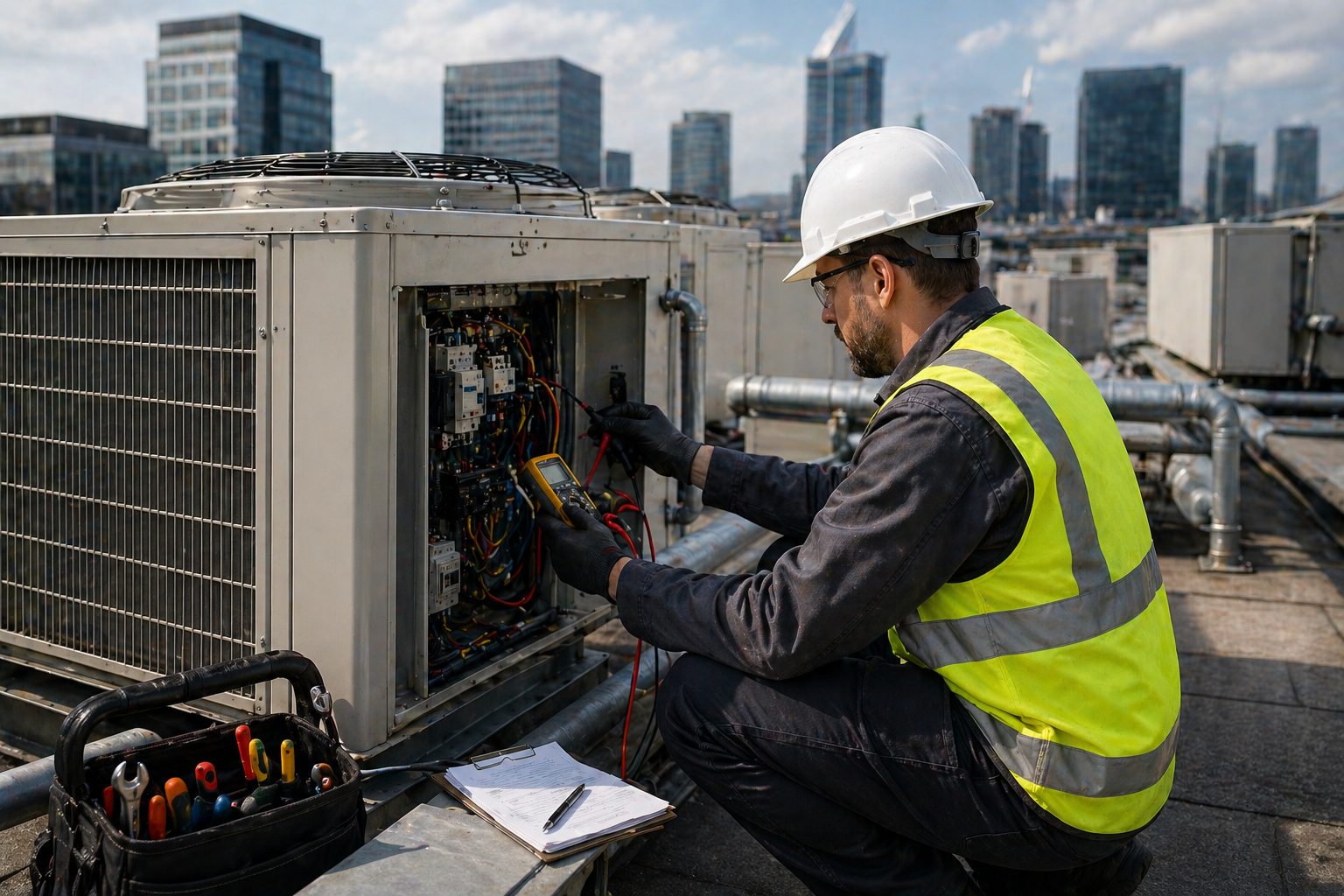
A comprehensive maintenance schedule is the foundation of any successful facilities management plan. These schedules should be tailored to the specific needs of the building and its occupants. A standard schedule typically includes monthly quarterly and annual tasks. Monthly tasks often focus on simple checks such as inspecting filters and checking for obvious signs of wear or noise. Filters play a massive role in system efficiency and air quality. When filters become clogged the fans must work harder to move air which increases energy consumption and places unnecessary stress on the motor. Quarterly inspections involve more technical assessments including the cleaning of condenser and evaporator coils. Dirty coils hinder heat transfer which forces the compressor to run longer cycles. Annual maintenance is the most thorough and includes checking electrical connections testing safety controls and verifying the accuracy of thermostats and sensors.
- Inspect and replace air filters every one to three months depending on usage.
- Clean condenser and evaporator coils to maintain heat exchange efficiency.
- Check refrigerant levels and perform leak testing in line with F Gas rules.
- Lubricate moving parts such as fan motors and bearings to reduce friction.
- Inspect belts and pulleys for signs of wear or misalignment.
- Verify the operation of dampers and actuators within the ventilation system.
- Check electrical terminals and tighten connections to prevent overheating.
- Test condensate pumps and clear drainage lines to prevent water damage.
By following a structured list of tasks facilities managers can ensure that no component is overlooked. This systematic approach is particularly important for multi site operations where consistency across different locations is required. A detailed schedule also provides a clear audit trail that demonstrates a commitment to building safety and maintenance standards.
The Financial Case for Planned Preventative Maintenance
The financial benefits of planned preventative maintenance are well documented. While there is an upfront cost associated with service contracts the long term savings far outweigh these expenses. One of the most immediate savings comes from energy efficiency. An HVAC system that is regularly tuned uses significantly less electricity than one that is neglected. In a large commercial building even a ten per cent reduction in energy use can result in thousands of pounds in savings annually. Furthermore preventative maintenance reduces the likelihood of catastrophic failure. Replacing a compressor or a major heat exchanger is far more expensive than the cost of several years of routine servicing. When a system fails unexpectedly the business also faces the cost of downtime which can include lost productivity or the need to hire temporary cooling solutions.
To understand the potential savings for your specific facility you can request a quote for a tailored maintenance package. This allows for a clear comparison between the cost of the contract and the projected savings in energy and repair costs. Most maintenance providers offer different levels of cover from basic inspections to full service agreements that include the cost of parts and labour for repairs. Choosing the right level of cover depends on the age of the equipment and the criticality of the system to the business operations.
Enhancing Energy Efficiency and Sustainability
Sustainability has become a core objective for many organisations in the United Kingdom. Facilities managers are at the forefront of efforts to reduce carbon footprints and achieve net zero targets. Since HVAC systems are often the largest consumers of energy in a building they represent the greatest opportunity for efficiency gains. Commercial HVAC maintenance ensures that systems are operating as close to their original design specifications as possible. Beyond cleaning and lubrication modern maintenance also involves optimising control settings. Many systems run for longer than necessary or at set points that are not aligned with actual occupancy patterns. Adjusting these settings through regular reviews can lead to substantial energy savings without compromising comfort.
In addition to operational efficiency maintenance allows for the early identification of systems that are no longer viable. Older units that use outdated refrigerants or have low efficiency ratings may be candidates for replacement. A maintenance partner can provide data on the performance of these units helping facilities managers build a business case for upgrading to more sustainable technology such as heat pumps or high efficiency chillers. This forward looking approach ensures that the building remains competitive and compliant with evolving energy performance standards.
Air Quality and the Modern Workspace
The quality of indoor air has a direct impact on the health and productivity of employees. Poorly maintained HVAC systems can become breeding grounds for bacteria mould and allergens. When ventilation is inadequate carbon dioxide levels can rise leading to fatigue and reduced concentration among staff. Commercial HVAC maintenance includes the cleaning of ductwork and the replacement of high efficiency filters which are essential for removing airborne particulates. For facilities managers ensuring a healthy indoor environment is part of a broader commitment to employee well being. Regular inspections of the air handling units and the fresh air intakes ensure that the building is receiving a constant supply of clean air.
Furthermore humidity control is a vital aspect of air quality. Systems that are not properly maintained may struggle to manage moisture levels leading to either excessively dry air or damp conditions that encourage mould growth. By calibrating sensors and checking the operation of humidifiers and dehumidifiers maintenance engineers help maintain an ideal balance. This balance is not only important for people but also for the preservation of the building fabric and any sensitive materials or equipment stored within the facility.
Managing Complex Commercial Systems
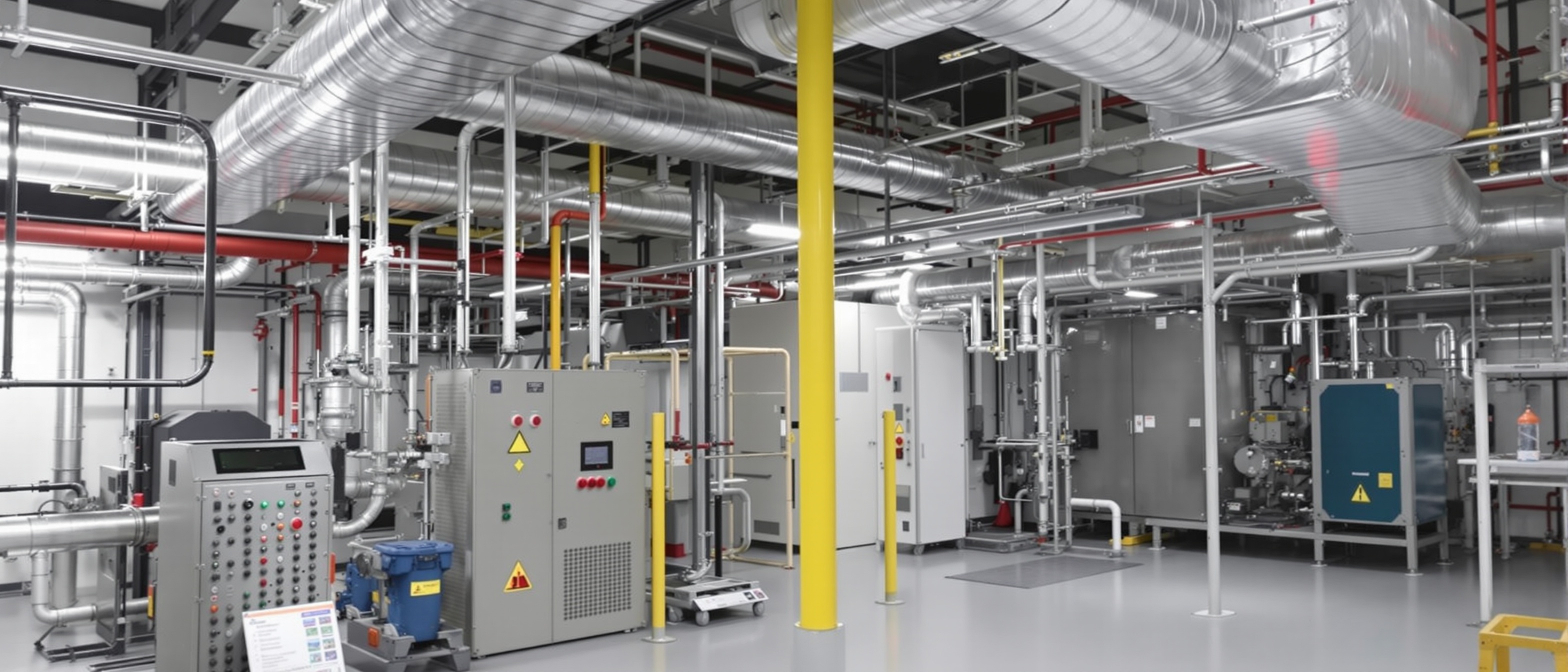
Commercial buildings often employ complex HVAC configurations such as Variable Refrigerant Flow (VRF) systems or centralised chiller plants. These systems require a higher level of expertise to maintain compared to simple split units. VRF systems for example use sophisticated controls to move refrigerant to different zones based on demand. A failure in the communication network or a single electronic expansion valve can affect the performance of the entire system. Facilities managers must ensure that their maintenance team has the specific training and tools required for these technologies. This includes access to manufacturer software for diagnostics and a deep understanding of complex wiring and pipework layouts.
Centralised plants involving cooling towers and boilers also present unique challenges. Cooling towers must be managed carefully to prevent the risk of Legionella. This involves regular water testing and chemical treatment as part of a strict hygiene regime. Facilities managers must be diligent in overseeing these tasks as the legal and health implications of a Legionella outbreak are severe. Integrating these specialised tasks into the overall commercial HVAC maintenance plan is essential for total building safety.
The Importance of Professional HVAC Contracts
Entering into a formal maintenance contract with a reputable provider offers several advantages for facilities managers. A contract establishes a clear set of expectations and service level agreements. This includes guaranteed response times for call outs and a fixed schedule for routine visits. For those managing multiple properties a single contract can provide a unified service standard across the entire portfolio. This simplifies the management process as the facilities manager only has to deal with one point of contact and one set of invoices. Professional contracts also often include access to a 24 hour help desk which provides peace of mind during weekends or holidays.
When selecting a maintenance partner it is important to look for companies that demonstrate a commitment to quality and safety. Industry accreditations such as Refcom or SafeContractor provide assurance that the company follows best practices and adheres to health and safety regulations. A good partner will not only perform the requested tasks but will also provide proactive advice on how to improve system performance and reduce costs. They should act as an extension of the facilities management team providing the technical expertise needed to make informed decisions about the building infrastructure.
Preparing for Emergency HVAC Situations
Despite the best efforts in preventative maintenance emergencies can still occur. Components can fail unexpectedly due to power surges extreme weather or manufacturing defects. For a facilities manager having a plan for these situations is essential. This includes knowing exactly who to call when a system goes down and having a clear understanding of the priority levels within the building. Some areas such as server rooms or executive boardrooms may require immediate attention while other areas can wait for a few hours. A reliable maintenance contract should include provisions for emergency repairs london to ensure that critical failures are addressed with the urgency they deserve.
An effective emergency response plan also involves having basic spare parts on site for critical systems. This might include fuses sensors or fan belts that can be replaced quickly by a technician. Furthermore facilities managers should ensure that building staff know how to isolate systems in the event of a leak or electrical fault to prevent further damage. Being prepared for the unexpected reduces the stress associated with system failures and ensures that the business can return to normal operations as quickly as possible.
Conclusion
Commercial HVAC maintenance is a multi faceted discipline that requires a balance of technical knowledge financial planning and regulatory compliance. For facilities managers in the United Kingdom staying on top of these tasks is essential for the efficient and safe operation of their buildings. By moving from a reactive to a proactive maintenance model organisations can enjoy lower energy bills extended equipment life and a better environment for their employees. Whether it is through rigorous F Gas compliance detailed scheduling or the selection of a professional maintenance partner the investment in HVAC care pays significant dividends. As building technology continues to evolve the role of maintenance will remain central to the success of any facilities management strategy. Through constant vigilance and a commitment to excellence facilities managers can ensure that their HVAC systems remain a reliable and efficient asset for years to come.
Written by Air Logic Climate Solutions
Our engineers and technical writers share expert insights on heating, cooling and ventilation for commercial and domestic properties across London.