The Complete Guide to VRF System Commercial Solutions
Variable Refrigerant Flow technology represents the most sophisticated climate control solution available for modern business environments today. A VRF system commercial installation provides an unparalleled level of flexibility and efficiency for buildings that require diverse temperature settings across different rooms or zones. Unlike traditional systems that operate on an all or nothing basis, these advanced configurations allow for precise control over the amount of refrigerant flowing to each individual indoor unit. This capability ensures that energy is never wasted on unoccupied spaces while maintaining perfect comfort for employees and visitors alike. As businesses across the United Kingdom seek to reduce their carbon footprint and lower operational costs, the adoption of this technology has become a standard practice for new developments and major refurbishments.
Choosing the right climate control strategy is essential for any commercial enterprise. The environment within an office, retail space, or hotel directly impacts productivity and customer satisfaction. A VRF system commercial setup is designed to meet these demands by providing a quiet, reliable, and highly responsive method of heating and cooling. By utilising inverter technology and sophisticated electronic expansion valves, these systems can adjust their output in real time to match the exact thermal load of the building. This results in a much more stable internal temperature compared to older technology which often suffers from uncomfortable fluctuations and noisy operation.
How Variable Refrigerant Flow Technology Operates
At the heart of every VRF system commercial application is a complex network of components working in harmony to move thermal energy efficiently. The process begins with an outdoor condenser unit that houses one or more high performance compressors. These compressors are driven by inverters which allow them to vary their speed rather than simply turning on and off. This variable speed operation is the key to the massive energy savings associated with this technology. When only a small amount of cooling or heating is required, the compressor slows down to a fraction of its maximum speed, consuming significantly less electricity in the process.
The refrigerant acts as the medium for heat transfer, travelling through a series of copper pipes to multiple indoor units. Each indoor unit is equipped with its own electronic expansion valve which regulates the flow of refrigerant based on the specific demands of that particular zone. This means that a large meeting room can receive maximum cooling while a smaller private office nearby receives only a trickle of refrigerant to maintain its set point. There are two primary types of these systems used in the industry today:
- Heat Pump Systems: These are designed to provide either heating or cooling to all indoor units at the same time. While they offer excellent efficiency and zoning capabilities, the entire building must be in the same mode of operation.
- Heat Recovery Systems: These represent the pinnacle of HVAC engineering. They can provide simultaneous heating and cooling to different parts of the same building. This is achieved by capturing waste heat from areas being cooled and redirecting it to areas that require heating. This process is incredibly efficient and is ideal for buildings with different orientations or internal heat gains.
The intelligence of the system is managed by a centralised controller or a building management system. Sensors throughout the property monitor ambient temperatures and occupancy levels, allowing the software to optimise the flow of refrigerant across the entire network. This level of automation ensures that the system operates at peak performance without the need for constant manual adjustments by building managers or staff.
Advantages of a VRF System Commercial Installation
The benefits of installing a VRF system commercial solution extend far beyond simple temperature control. One of the most significant advantages is energy efficiency. Because the system only works as hard as necessary and can recover heat that would otherwise be wasted, it often achieves much higher seasonal efficiency ratings than traditional chilled water or rooftop units. For businesses in London and other major cities, this translates to substantial savings on monthly utility bills and a quicker return on investment for the hardware.
Space saving is another critical factor for many urban properties. Traditional HVAC systems often require massive ductwork and large mechanical rooms which take up valuable floor space. In contrast, VRF components are compact and use small diameter refrigerant piping. This makes them particularly well suited for heritage buildings or modern structures with limited ceiling voids. The outdoor units can also be placed on rooftops or in plant areas with a relatively small footprint, freeing up space for more productive uses.
User comfort is perhaps the most noticeable benefit for the occupants of the building. Because each indoor unit can be controlled independently, individuals have the power to set their own preferred temperature. The use of inverter technology also means that the air temperature coming from the units is consistent and gentle, avoiding the cold drafts often associated with fixed speed systems. Furthermore, the indoor units operate at extremely low noise levels, ensuring a quiet environment for focused work or restful hotel stays. Reliability is also improved because the modular nature of the system means that if one indoor unit requires maintenance, the rest of the network can usually continue to function normally.
Typical Applications for Commercial VRF
The versatility of this technology makes it appropriate for a vast range of sectors. In the world of air conditioning London based offices are primary candidates for these installations. Large open plan spaces combined with smaller glass partitioned meeting rooms create a complex thermal environment that only a variable flow system can handle effectively. As the sun moves across the building throughout the day, the system can shift cooling capacity from the east side to the west side seamlessly.
Hotels also benefit immensely from the individual zone control offered by VRF. Each guest room can be treated as a separate entity, allowing guests to choose their own comfort levels without affecting others. The heat recovery version is especially popular in hospitality because the waste heat from cooling the guest rooms during the day can be used to provide hot water or heat common areas in the evening. This dual use of energy is a major factor in achieving green building certifications and reducing the overall environmental impact of the property.
Other common applications include:
- Retail Outlets: Small boutiques and large department stores alike use these systems to maintain a pleasant shopping environment despite high foot traffic and bright lighting.
- Healthcare Facilities: Hospitals and clinics require precise temperature control and high indoor air quality. The ability to isolate zones helps in managing different requirements for patient rooms and labs.
- Educational Institutions: Schools and universities use VRF to provide comfort in classrooms while keeping energy costs low during periods of partial occupancy.
- Luxury Residential: High end apartment blocks often use commercial grade VRF technology to provide premium climate control for residents.
Leading Brands and Manufacturers
When considering a VRF system commercial project, it is important to look at the major manufacturers who have pioneered this technology. Japanese brands have historically led the market in terms of innovation and reliability. Daikin is widely credited with inventing the original VRF concept and continues to be a world leader with their VRV series. Their systems are known for exceptional build quality and advanced control options that integrate easily with modern smart building technology.
Mitsubishi Electric is another titan in the industry, offering their City Multi range which is highly regarded for its robust performance in the demanding UK climate. Their unique two pipe heat recovery system is often preferred by installers for its simplicity and reduced number of connections compared to three pipe alternatives from other brands. Other notable manufacturers include Panasonic, Toshiba, and LG, all of whom offer competitive solutions with high efficiency ratings and extensive ranges of indoor unit styles, from ceiling cassettes to concealed ducted units.
Choosing a brand often comes down to the specific requirements of the site and the preference of the design engineer. Some brands specialise in ultra quiet operation while others focus on maximum piping lengths for very large buildings. Regardless of the manufacturer, it is vital to ensure that the equipment is sourced from a reputable supplier and comes with a comprehensive warranty. Working with an experienced contractor who understands the nuances of each brand will ensure that the selected equipment is perfectly matched to the application.
Professional Installation and Maintenance
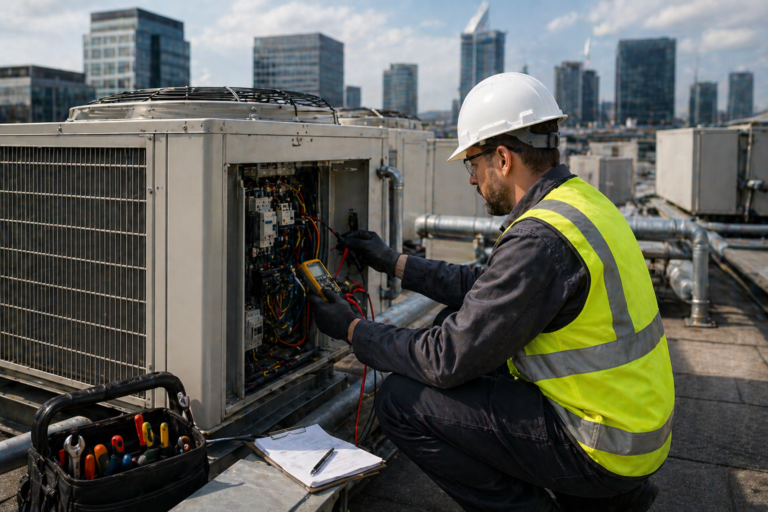
The complexity of VRF technology means that professional design and installation are non negotiable. A successful project begins with a detailed heat load calculation to determine the exact requirements of each room. Factors such as window size, insulation levels, equipment heat gain, and occupancy numbers must all be taken into account. An incorrectly sized system will either fail to provide comfort during peak summer or winter months or will operate inefficiently by cycling too frequently. To get started with a professional assessment, you should request a quote from a qualified specialist who can survey your property.
During the installation phase, the quality of the pipework is paramount. Refrigerant systems operate at high pressures, so every joint must be perfectly brazed and pressure tested to ensure there are no leaks. The internal components are also sensitive to moisture and debris, so the pipes must be kept clean and dry throughout the process. A professional installer will also ensure that the system is correctly charged with the right amount of refrigerant and that the control wiring is laid out logically for easy troubleshooting in the future.
Ongoing maintenance is the final piece of the puzzle. While these systems are incredibly reliable, they do require regular checkups to remain at peak efficiency. This typically involves cleaning the filters and coils, checking refrigerant pressures, and inspecting electrical connections. Regular servicing not only prevents unexpected breakdowns but also extends the lifespan of the equipment, which can easily exceed fifteen years when well maintained. Many modern systems also offer remote monitoring capabilities, allowing technicians to diagnose potential issues before they cause a failure, ensuring that your business stays comfortable all year round.
In summary, investing in a high quality VRF solution is one of the smartest moves a commercial property owner can make. The combination of energy efficiency, individual zone control, and space saving design provides a level of value that traditional systems simply cannot match. By choosing a reputable brand and a skilled installation team, you can create a world class indoor environment that supports your business goals while contributing to a more sustainable future. Whether you are looking to upgrade an existing building or planning a new development, Variable Refrigerant Flow technology offers the perfect balance of performance and practicality for the modern commercial landscape.
Written by Air Logic Climate Solutions
Our engineers and technical writers share expert insights on heating, cooling and ventilation for commercial and domestic properties across London.