Immediate Actions During an Air Conditioning Breakdown
An unexpected failure of your climate control system can cause significant disruption to your daily routine or business operations. When you encounter a breakdown the first step is to remain calm and follow a systematic approach to ensure safety and prevent further damage to the equipment. The very first action you should take is to isolate the power supply. Locating the main switch or the circuit breaker in your consumer unit and turning it off will stop any electrical faults from escalating. This is particularly important if you notice any unusual smells such as burning or if you see smoke emanating from the indoor or outdoor units.
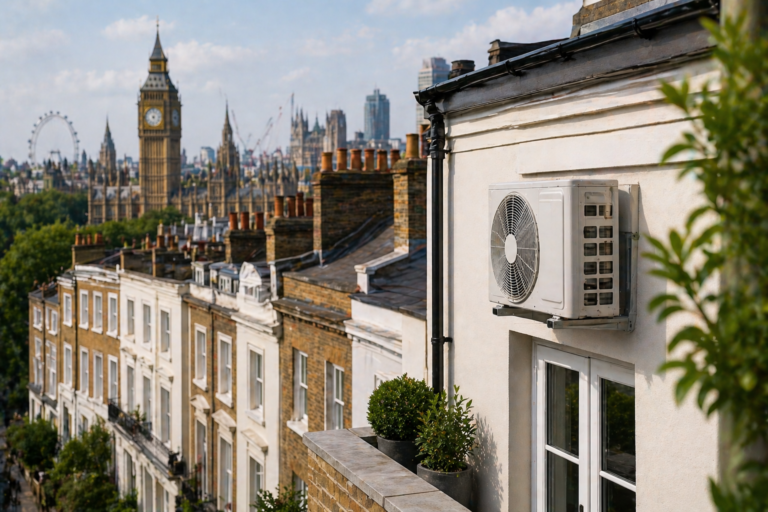
Once the power is safely disconnected you should perform a brief visual inspection. Look for obvious signs of trouble like large pools of water which might indicate a blocked condensate drain or a refrigerant leak. Check the outdoor condenser unit to ensure it is not obstructed by debris such as plastic bags or fallen leaves. Restricted airflow is a common cause of system overheating and subsequent failure. However you must avoid attempting to take the unit apart or touch internal components. Specialist systems require professional expertise to handle high pressure gases and complex electrical circuits safely.
Communication is the next priority. If the breakdown occurs in a commercial setting inform your staff and any visitors about the situation to manage expectations regarding comfort levels. If you are in a residential property and the failure happens during a heatwave ensure that vulnerable individuals like the elderly or young children are moved to the coolest part of the building. Once these immediate safety and comfort steps are taken it is time to contact a professional for emergency AC repair services to restore your environment to a comfortable temperature.
Identifying a Genuine Air Conditioning Emergency
Not every technical glitch requires an immediate call out at three in the morning. Understanding the difference between a minor fault and a genuine emergency will help you manage costs and prioritise resources. A genuine emergency usually involves a risk to health safety or critical infrastructure. For example if your air conditioning serves a server room or a data centre a breakdown is a critical emergency. High temperatures in these environments can lead to hardware failure and massive data loss which can be devastating for any modern business.
Healthcare facilities including GP surgeries and dental clinics also represent emergency scenarios. Maintaining specific temperatures is often a regulatory requirement for the storage of certain medications and for the comfort of patients undergoing procedures. In residential settings an emergency might be declared if the occupants are particularly vulnerable to heat exhaustion or if the air conditioning is the primary source of heating during a freezing winter period. If the system is leaking refrigerant this is also a serious concern as these chemicals are harmful to the environment and can cause health issues if inhaled in concentrated amounts.
Other signs of a serious emergency include loud grinding noises coming from the compressor or persistent electrical tripping. If you reset the breaker and it trips again immediately do not attempt a third time. This indicates a dead short or a grounded component which is a significant fire risk. In such cases you need an expert engineer to diagnose the fault before any attempt is made to restart the system. For rapid assistance in these critical moments you can request a quote for urgent remedial works to get your system back online safely.
What to Expect from an Emergency Call Out
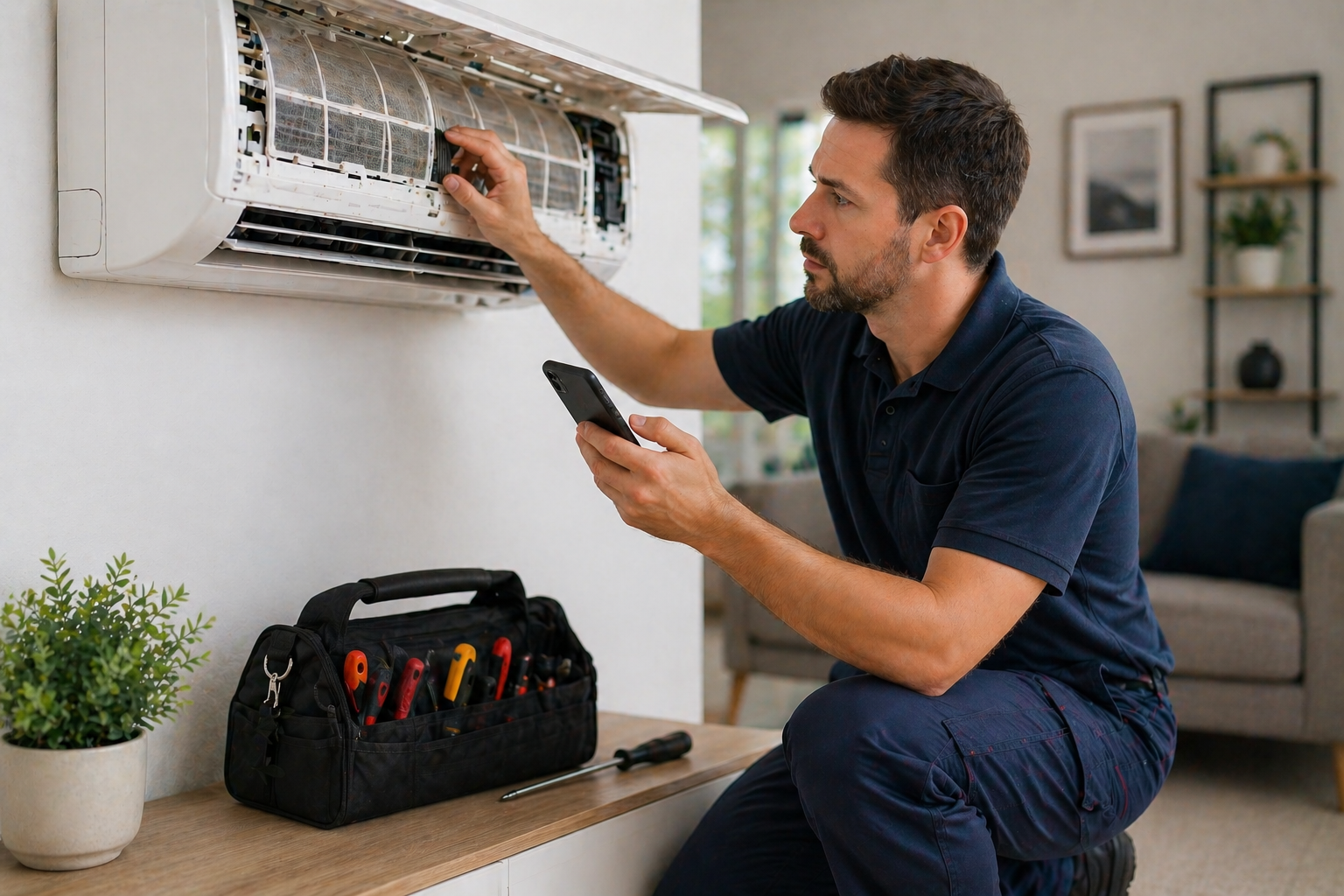
When you request an emergency response you should expect a professional and structured process designed to resolve the issue as quickly as possible. A qualified engineer will typically arrive with a van stocked with common universal spare parts and diagnostic tools. The first phase of their visit will be a thorough diagnostic assessment. They will use specialized equipment to check electrical continuity sensor readings and refrigerant pressure levels. This data allows them to pinpoint the exact cause of the failure rather than simply treating the symptoms.
In many cases the engineer will aim for a first time fix. This might involve clearing a stubborn blockage in the drainage system replacing a failed start capacitor or repairing a minor electrical connection. However if the fault involves a bespoke component like a specific printed circuit board or a unique compressor model a permanent fix might take longer while parts are sourced. In these instances a good engineer will provide advice on how to manage the environment in the interim and may offer temporary cooling solutions if the situation is critical.
Transparency is a key part of the emergency service. You should receive a clear explanation of the fault and an estimate of the costs involved before major repairs are undertaken. The engineer will also verify that the system is safe to operate before they leave your premises. They will often provide a written report detailing the work carried out and any recommendations for future actions to prevent a recurrence of the problem. This professional approach ensures that your emergency is handled with the technical rigour it deserves.
How Regular Maintenance Prevents Emergencies
The most effective way to handle an air conditioning emergency is to prevent it from happening in the first place. Most sudden breakdowns are the result of long term wear and tear that has gone unnoticed. Regular ac servicing london provides an opportunity for engineers to identify and rectify minor issues before they escalate into total system failures. For instance a slightly worn fan motor might continue to operate for months but it will eventually seize up during a period of high demand such as a heatwave. During a routine service an engineer would notice the increased amp draw or vibration and recommend a replacement at a convenient time.
Cleanliness is another factor that heavily influences system reliability. Over time dust and biological growth can accumulate on the evaporator coils and within the condensate trays. This not only reduces the efficiency of the heat exchange process but can also lead to blockages that cause water leaks and electrical shorts. A professional service includes deep cleaning of these components which ensures the system can breathe easily and operate within its designed parameters. This reduces the strain on the compressor which is the most expensive part of the system to replace.
Furthermore regular maintenance ensures that refrigerant levels are optimal. Small leaks can lead to a gradual loss of gas which makes the system work much harder to achieve the same cooling effect. This extra workload leads to overheating and premature failure of internal components. By checking the integrity of the pipework and the pressure of the gas regularly you ensure the longevity of your investment. A well maintained system is not only more reliable but also significantly more energy efficient which leads to lower utility bills and a smaller carbon footprint.
Establishing a Robust Contingency Plan
For businesses and high end residential properties having a contingency plan in place is essential for managing a breakdown effectively. This plan should include the contact details of your preferred service provider and a list of all the equipment on site including model numbers and installation dates. Having this information ready when you call for help will allow the service coordinator to dispatch an engineer with the most relevant expertise and potentially the correct spare parts for your specific units.
You should also consider the physical aspects of the building. If a breakdown occurs where are the manual override controls and do you have access to the outdoor units if they are located on a restricted roof area? Ensuring that keys and access codes are available for the engineer will save valuable time during an emergency. For commercial sites it is also wise to have a pre arranged agreement with a cooling specialist which can guarantee a specific response time. This level of preparedness can be the difference between a minor inconvenience and a major operational disaster.
Finally educate your staff or family members on the basic operation of the system. Knowing how to use the controller correctly can prevent many issues that are mistakenly identified as breakdowns. Sometimes a system might appear to have failed when it is actually just in a defrost cycle or has been set to a conflicting mode by another user. However if a genuine fault is confirmed following your internal checks do not hesitate to seek professional help. Taking swift action and following the advice of experts will ensure that your air conditioning system continues to provide a comfortable and safe environment for everyone in the building.
Summary of Key Steps
- Isolate the power supply at the main switch or consumer unit immediately.
- Conduct a visual check for smoke smells or major water leaks without touching the unit.
- Assess if the situation is a genuine emergency based on health or critical equipment needs.
- Contact a specialist for emergency repairs and provide as much detail as possible.
- Implement temporary cooling measures if necessary to protect vulnerable occupants.
- Review your maintenance history and schedule a full service to prevent future issues.
By following these guidelines you can navigate the stress of an air conditioning breakdown with confidence. Whether you are dealing with a small office unit or a large scale VRF system the principles of safety diagnosis and professional intervention remain the same. Investing in quality care and rapid response services will protect your property and ensure that you are never left in the heat for longer than necessary.
Written by Air Logic Climate Solutions
Our engineers and technical writers share expert insights on heating, cooling and ventilation for commercial and domestic properties across London.